


Yes, The Loren says it accepts guarantors. The community also states that applicants without rental history may be approved with a guarantor, based on screening results, so a guarantor can be relevant if your application is strong overall but needs additional support.
If you are asking, “Can I use a guarantor to rent at The Loren in Dallas?” the practical answer is yes, but approval is not automatic. Guarantor use still depends on the community’s screening process and written rental criteria, so it is smart to confirm the current documentation requirements before you apply.
What a guarantor can help with, and what it does not replace
At The Loren, the clearest established use case is for applicants without rental history. That matters because a lack of prior landlord references can be different from having negative rental history, and communities often evaluate those situations differently. If you are a first-time renter, a recent graduate, or someone who has been living with family, asking about the guarantor option early can save time.
The property also states that it requires income of at least three times the monthly rent and that it reviews credit, background, and rental history according to written rental criteria. In practice, that means a guarantor is usually best understood as one part of an application, not a substitute for every screening standard. You should expect the leasing team to look at your full file rather than treating the presence of a guarantor as an automatic approval path.
It is also important not to assume that every renter who wants a guarantor will be handled the same way. Communities sometimes distinguish between an applicant who has limited history and an applicant who falls short in multiple screening categories. The safest approach is to describe your situation clearly, ask whether a guarantor is an option for that scenario, and request the current written criteria so you know what will actually be reviewed.
A guarantor arrangement is also different from everyday roommate planning. If you are considering sharing an apartment, you still need to understand how each resident will apply, what income and screening standards apply to all occupants, and whether the guarantor is backing one applicant or the lease as a whole. Those details affect paperwork, responsibility, and timing, so they are worth clarifying before anyone submits fees or personal documents.
How to verify the guarantor process before you apply
The most useful next step is to contact the leasing office and ask focused questions rather than just asking whether guarantors are accepted. Start with the basics: whether guarantors must complete a full application, whether they are screened for income and credit, and whether there are separate fees or signature requirements. Policies can be specific, and the exact process matters as much as the yes-or-no answer.
You should also ask how the community wants the guarantor relationship documented. Some properties require government-issued identification, income verification, and signed lease or guaranty forms from the guarantor. Because those requirements affect how quickly an application can move, getting the document list in advance can prevent delays, especially if your guarantor lives in another city or state.
Another important step is to ask how screening results affect the guarantor option. The Loren states that approval with a guarantor is based on screening results, which means the leasing team should be able to explain, at least in general terms, when a guarantor may help and when it may not. You do not need to guess, and you do not need to rely on broad internet advice that may not match this property’s standards.
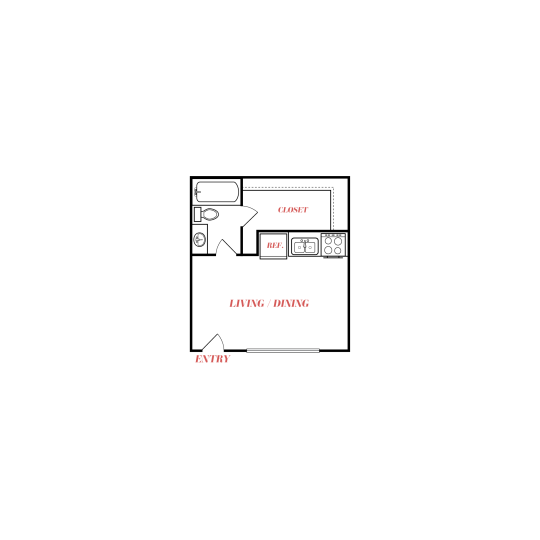
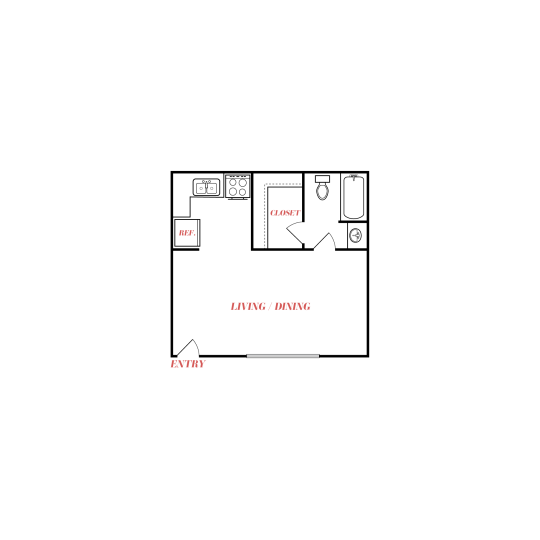
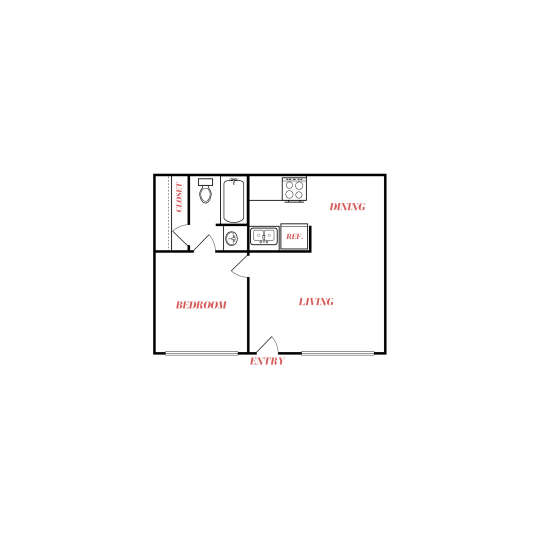
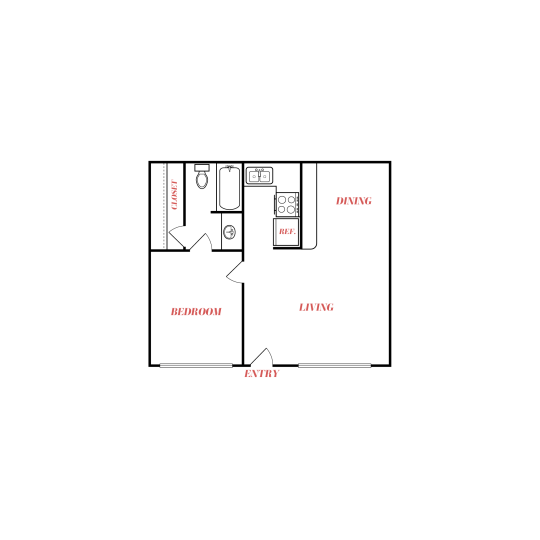
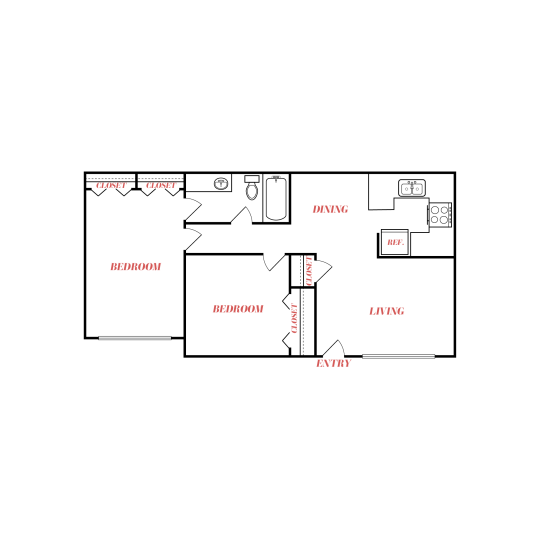
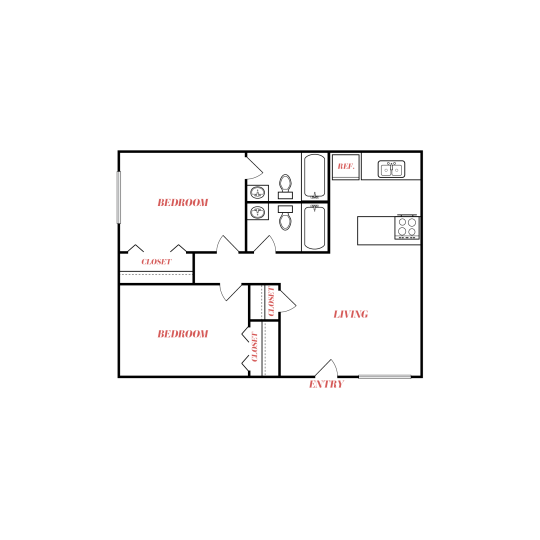
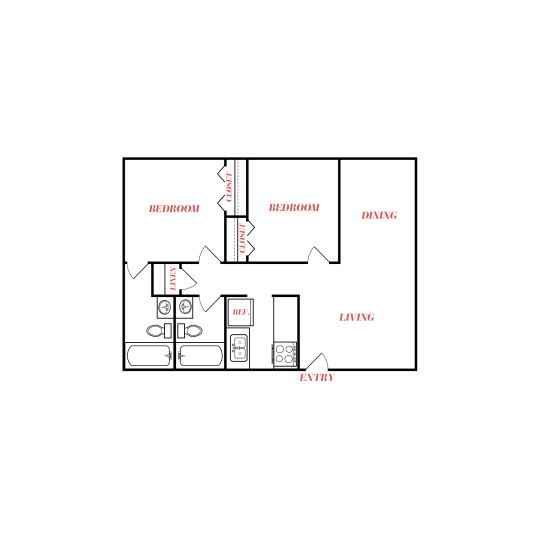
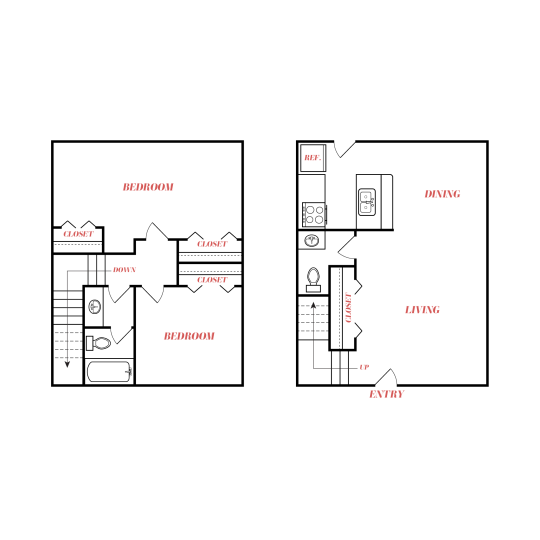
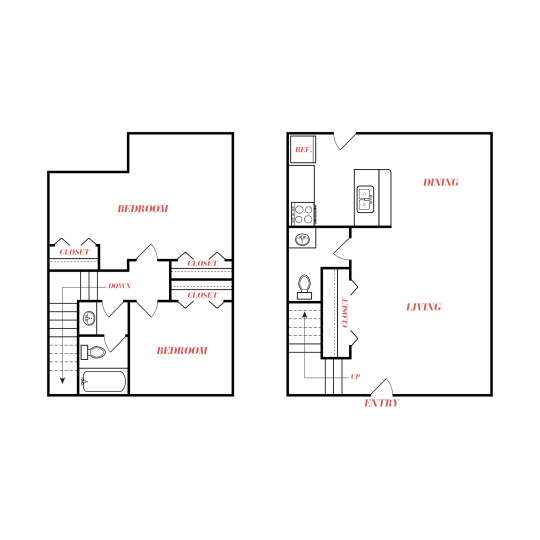
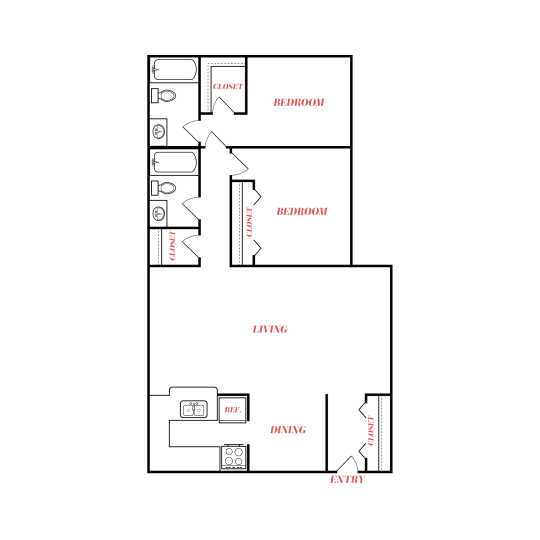
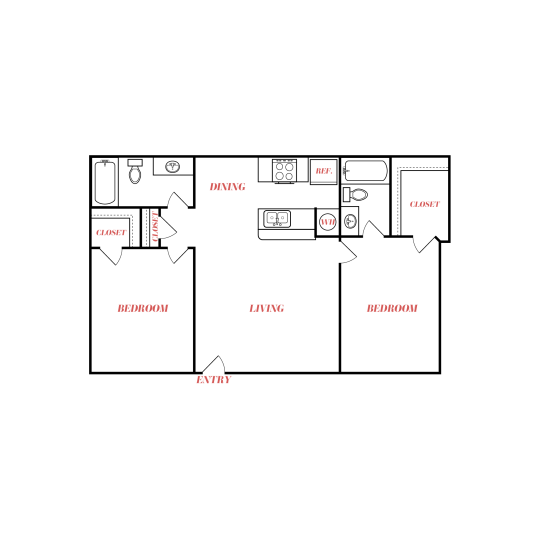
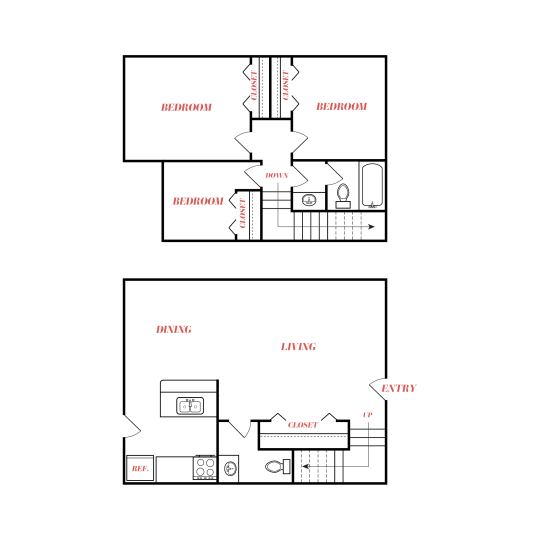
If you want to compare your options before applying, ask for the current rental criteria and review it alongside the floor plan you are considering. The Loren offers studios, one-bedroom, two-bedroom, and three-bedroom layouts, and the stated rent levels and deposits can vary by apartment and timing. Because income requirements are tied to rent, the unit type you choose can affect whether you apply on your own, with a roommate, or with a guarantor, so it is worth discussing that structure before you move forward.
Planning your application around your actual household needs
If you are applying without rental history, prepare more than just a guarantor. Bring clear proof of income, identification, and any records that help show reliability, such as employment details or prior housing context. Even when a community accepts guarantors, an organized application can make the review more straightforward.
If your household includes pets, roommates, or a specific move-in window, confirm those details at the same time. The Loren is pet-friendly, with a maximum of two pets per apartment home, and pet fees and restrictions may apply. That does not change whether guarantors are accepted, but it can change the total cost and paperwork involved in your move, which is important if your guarantor wants to understand the full lease obligation.
It is also useful to confirm the financial timeline, not just the approval standard. The community’s FAQs note that rent is due on the 1st of each month with a 3-day grace period, and that rent can be paid through the online portal. For some renters, especially first-time renters using a guarantor, understanding when deposits, rent, and pet charges are due can help everyone plan responsibilities clearly before the lease begins.
If you think a guarantor may be necessary, the best low-pressure next step is to call The Loren at 469.253.9909 during office hours and ask for the current guarantor requirements for your exact situation, especially if you are applying without rental history or comparing floor plans with different rent amounts.